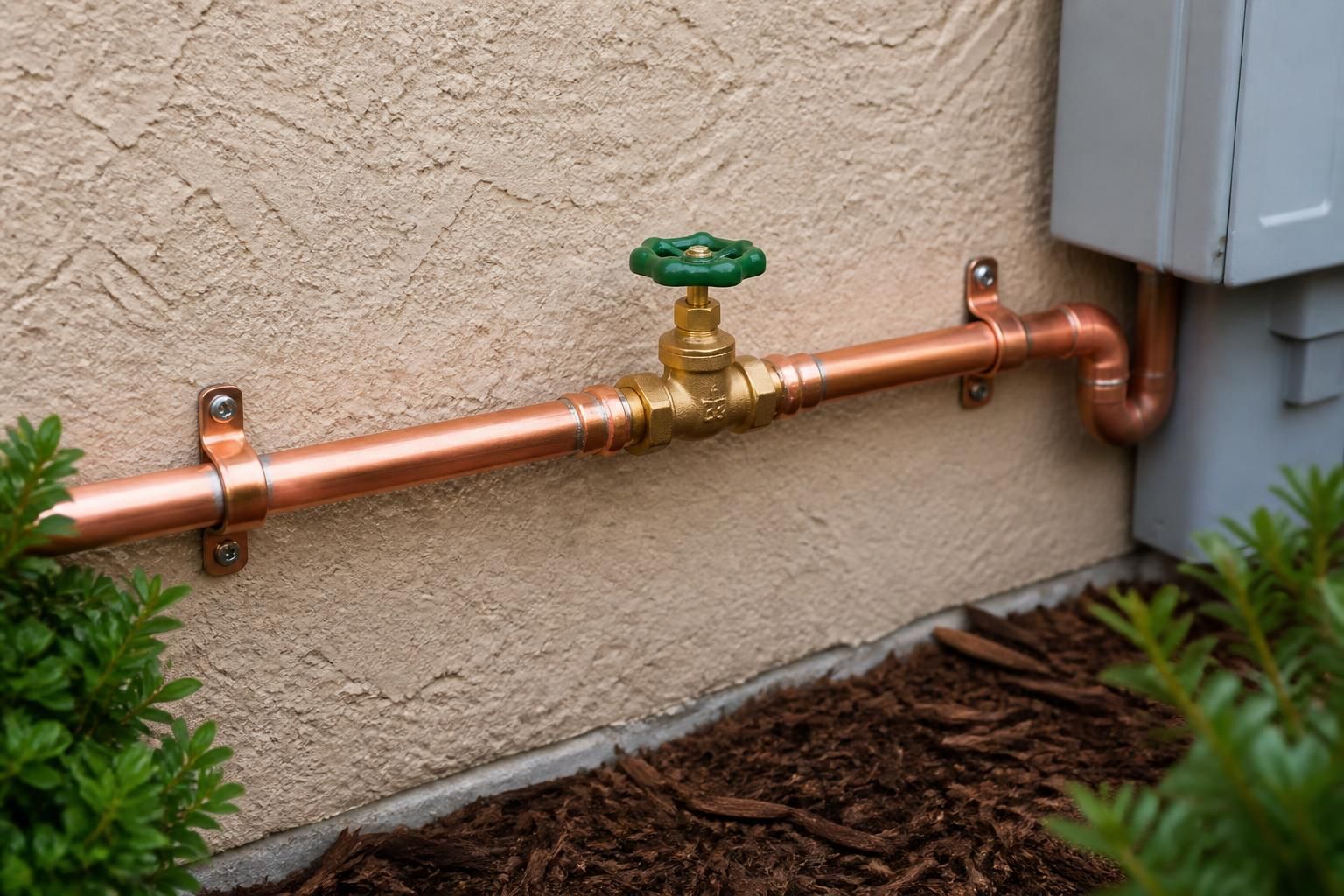
A sudden drop in water pressure, a damp spot that keeps returning, or an unexplained spike on the water bill can point to a water line problem. When the line that brings water to your home is cracked, corroded, or broken, the signs often show up before the damage becomes obvious.
Copperline Plumbing & Drain helps Austin homeowners track down water line trouble and make the needed repair with as little disruption as possible. If you are seeing wet ground, discolored water, or uneven pressure at sinks and showers, we can inspect the line, explain what is happening, and get to work on the fix.
Water line damage does not always start with a dramatic leak. Some problems build slowly, and the clues are easy to overlook until the line worsens. Paying attention to early signs can help limit damage to your yard, slab, walls, and water usage.
Several different conditions can damage a residential water line. The repair depends on what failed and where the problem sits, which is why a careful diagnosis matters before any digging or pipe work starts.
When Copperline Plumbing & Drain inspects a water line, we look for the source of the problem rather than focusing only on the visible symptom. That helps prevent repeat failures and unnecessary work.
Homeowners usually want two things: a clear answer and a repair that addresses the actual problem. We keep the process straightforward so you know what is happening at each step.
We start by evaluating the symptoms, checking pressure, and tracing the line to narrow down where the damage may be located. If water is escaping underground, the visible signs may appear far from the break.
Once the problem area is identified, we explain what failed and what repair options make sense. Some situations call for a targeted fix, while others need a broader section of line addressed.
After the plan is clear, we make the repair and verify the line in use. The goal is to restore reliable water delivery without leaving you guessing about the result.
If you suspect a water line issue, a few practical steps can help reduce waste and limit damage before a plumber arrives.
Even a small leak can waste water for days or weeks. If the line is damaged, getting it assessed early is usually the simplest way to avoid more disruption.
Water line repair is not always the same from one home to the next. The location of the damaged pipe shapes the approach, the access needed, and the time required to finish the work.
When the damaged line is inside the home, signs may include damp surfaces, stained materials, or pressure changes at specific fixtures. These repairs often require careful access around walls, floors, or utility areas.
When the issue is underground, the clue may be a soft patch of ground, pooling water, or pressure loss without a clear indoor leak. In those cases, the repair focuses on the buried section of pipe and restoring the supply line to service.
Copperline Plumbing & Drain works through both kinds of water line issues for Austin homeowners, using the location of the failure to guide the repair plan.
A damaged water line affects more than convenience. It can waste water, increase bills, and create conditions that lead to broader property damage. A line that leaks under a slab or across a yard can keep worsening even when the visible symptoms seem minor.
Addressing the problem also helps restore consistent pressure, cleaner water delivery, and normal use at the fixtures that depend on that line. If the line has a weak section, leaving it untouched may mean the same symptoms come back again.
We provide water line repair for homeowners across Austin, TX and nearby communities such as Round Rock, Pflugerville, Cedar Park, Leander, Buda, Kyle, Bee Cave, and Lakeway. If you are dealing with pressure loss, wet ground, or a suspected line leak, we can help determine the next step.
When you reach out to Copperline Plumbing & Drain, we will listen to what you have noticed, review the likely causes, and move toward a repair plan that fits the problem you are facing.
The earliest signs often include lower pressure, a patch of wet ground, water discoloration, or a water bill that does not match normal use.
Yes. If the leak is underground or inside a hidden section of pipe, the first clues may show up outside or through pressure changes rather than a visible indoor drip.
That can happen when the problem affects part of the supply line or creates a restriction that does not impact every fixture the same way.
We look at the symptoms, test the system, and trace the line to identify where the failure is most likely located before discussing repair options.
It can. A damaged line may allow sediment, rust, or other debris to enter the water stream, which may show up as discoloration.
Avoid digging around the area and have the line inspected soon. The leak may be larger or located somewhere else along the run than the surface signs suggest.

Get Started
Tell us what is happening at your property, and we will help you determine the right service for the issue, whether it is a stubborn clog, a leak, a damaged line, or a fixture that is not working properly.