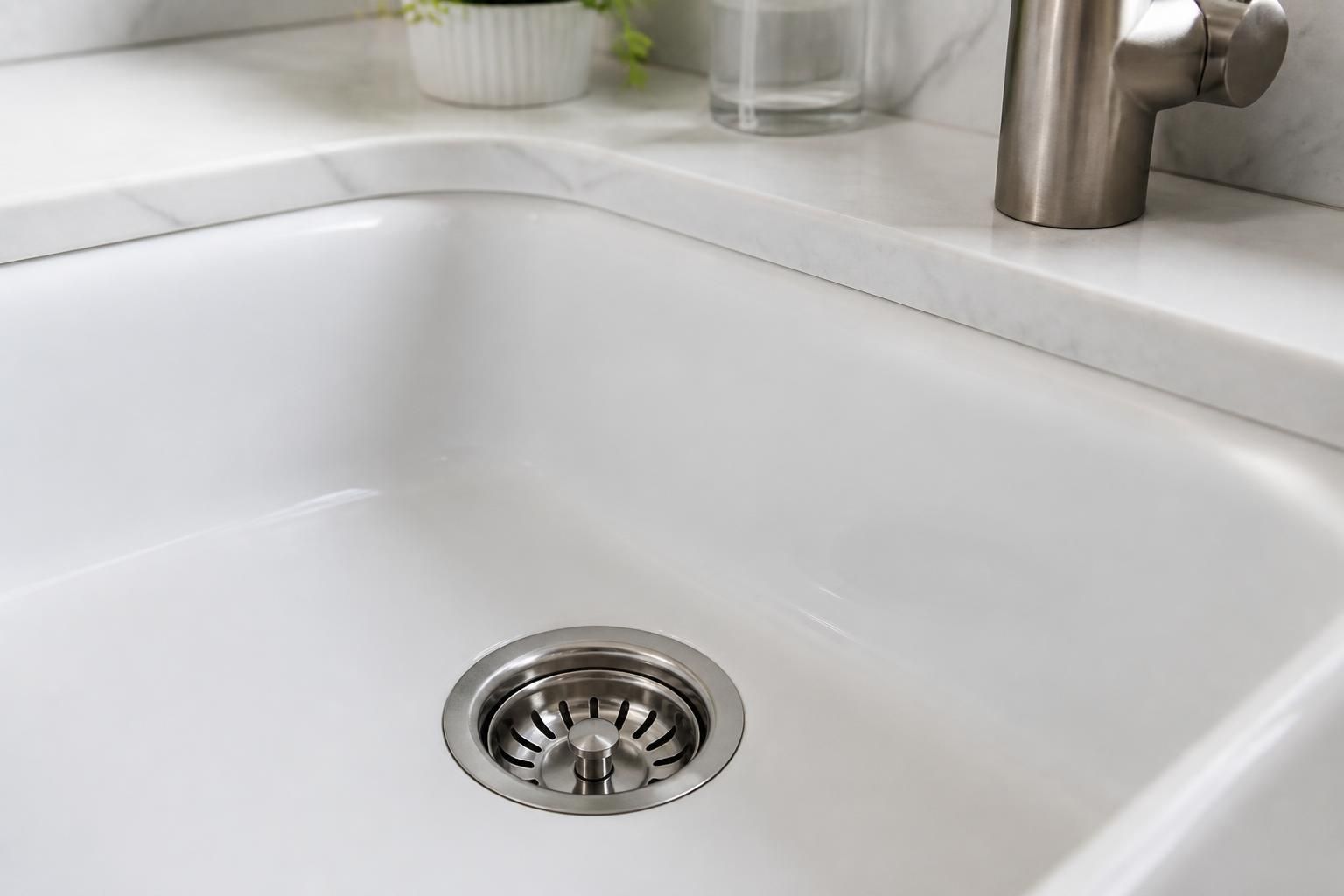
A slow drain can turn a normal day into a mess of standing water, bad odors, and repeated plunging. If your sink gurgles, your shower backs up, or water lingers long after you stop running it, the clog is asking for attention before it gets worse.
Copperline Plumbing & Drain helps homeowners in Austin, TX clear blocked drains with straightforward service that targets the source of the problem. We look at the symptoms, clear the restriction, and leave you with a drain that is ready for everyday use again.
Some clogs build slowly, while others seem to show up all at once. Either way, the early signs are easy to spot if you know what to watch for.
If one drain is slow, the problem may be local to that fixture. If several fixtures act up together, the blockage may be farther down the line and need a more direct approach.
Most drain clogs do not happen overnight. They form as buildup collects inside the pipe and narrows the opening water has to pass through.
Grease, soap residue, and small food particles can cling to the inside of kitchen drains. Over time, that layer thickens and catches more debris until water begins to back up.
Hair, soap film, toothpaste, and skin care products are common troublemakers for bathroom sinks, tubs, and showers. These materials can bind together and create a stubborn blockage that simple plunging will not fully remove.
When clogs sit deeper in the drain line, you may notice more than one fixture slowing down. That kind of issue often needs a focused cleaning method instead of a quick surface fix.
Drain cleaning works best when the cause matches the method. At Copperline Plumbing & Drain, we look at the drain symptoms first, then choose the approach that fits the blockage.
We start by checking which fixture is affected and how it is acting. That helps narrow down whether the clog is near the drain opening or farther along the line.
Once we understand the issue, we use a cleaning method suited to the blockage. The goal is to remove the buildup, not just poke a hole through it.
After clearing the clog, we test the drain to make sure water moves out as expected and the blockage is no longer hanging up flow.
This approach matters because a clog that seems minor at first can return quickly if the buildup remains inside the pipe.
Drain problems can show up anywhere water leaves the home. We handle clogs and slow drains across the most common fixtures homeowners use every day.
Some clogs stay isolated to one area. Others spread across the home and affect several drains at once. Either way, it helps to address the problem before repeated backups turn into a bigger cleanup.
It is tempting to reach for a quick fix, but some shortcuts can make the situation worse or hide the real issue for a while.
If a clog keeps coming back, the drain is telling you something useful. The line may still be coated with buildup, or the blockage may be sitting beyond the part you can reach from the fixture.
A drain that responds for a day and then slows again is often more than a surface blockage. A deeper restriction usually leaves a pattern that homeowners can notice.
When the kitchen sink, bathroom sink, or shower all start acting slow at the same time, the issue may be farther down the drainage path.
Water that comes up in one fixture when another is used can signal a blockage beyond the immediate drain opening.
Persistent drain odors after basic cleaning can point to buildup left inside the line, not just residue at the surface.
Those signs are worth addressing early. The longer buildup sits inside the line, the harder it can be to clear with basic home remedies.
Homeowners across Austin, TX want drain cleaning that gets to the point. They do not need a lecture, and they do not want a temporary fix that fails again next week. They want the blockage handled, the drain tested, and the problem explained clearly.
Copperline Plumbing & Drain keeps the process practical. We focus on the specific drain that is acting up, identify what is slowing it down, and clear the obstruction with care. That way you are not left guessing whether the line was fully addressed.
We also help homeowners understand what the drain was telling them, whether it was hair buildup, grease, soap residue, or a deeper restriction in the line. That makes it easier to decide what to watch for next time and when to call before a small clog turns into a bigger mess.
Plunging can open a small path through the blockage, but it may leave buildup on the pipe walls. If the material remains, water can slow down again quickly.
Gurgling often means air is trapped as water tries to pass through a restricted line. It is a common sign that the drain needs more than a surface rinse.
Yes. If the blockage sits farther down the line, more than one fixture can slow down or back up when water is used.
Hair, soap film, and other residue collect over time and stick inside the pipe. That buildup narrows the drain opening until water drains slowly.
It can be. Odors often come from buildup trapped in the line, especially when water is moving slowly or sitting inside the drain longer than usual.
Be careful about what goes down each drain, and pay attention to early slowdowns. Catching a problem early is usually easier than waiting until water stops moving.
If a drain is slowing down, backing up, or sending odors through the room, it is time to handle it before it turns into a bigger cleanup. Copperline Plumbing & Drain serves Austin, TX and nearby service areas with drain cleaning for sinks, tubs, showers, and more.
Call +15125550101 or email hello@copperline.example to schedule drain cleaning and get the line checked by a local plumbing contractor that keeps the job focused and practical.

Get Started
Tell us what is happening at your property, and we will help you determine the right service for the issue, whether it is a stubborn clog, a leak, a damaged line, or a fixture that is not working properly.