A damp spot on the ceiling, a cabinet that keeps getting musty, or a water bill that climbs without a clear reason can point to a hidden leak. Some leaks show themselves fast. Others stay quiet behind walls, under floors, or near fixtures until the damage is harder to ignore.
If you are seeing stains, hearing water when nothing is running, or noticing a drop in pressure, Copperline Plumbing & Drain can track down the source for your Austin, TX home and help you understand what comes next.
Hidden leaks do not always announce themselves with a puddle. More often, they leave small clues that are easy to overlook at first. Paying attention early can help you avoid bigger repair work later.
These clues do not always point to one single problem, which is why a careful search matters. The goal is not to guess. It is to isolate the source and narrow the repair.
Leak detection starts with listening to your concerns and looking at the signs you have noticed. From there, we check the areas most likely to reveal where water is escaping.
We look at visible plumbing, fixtures, shutoff points, stains, damp areas, and the spaces around tubs, sinks, toilets, water heaters, and supply lines. A leak near one room can create symptoms somewhere else, so the inspection has to follow the evidence.
Once we spot the most likely path, we work backward to find the origin. That may mean checking a line near a wall cavity, a fixture connection, or a section of pipe that only shows a problem under certain conditions.
After the leak source is identified, we explain what we found in clear terms. You should know where the water is coming from, what area is affected, and what repair option makes sense next.
Leaks can develop anywhere water is moving through the home, but some spots deserve extra attention because they hide damage for longer than others.
Not every leak leaves a visible trail right away. That is why a leak detection visit is often about connecting several small signs into one clear answer.
A slow leak can seem minor at first, but constant moisture can spread beyond the pipe itself. It may affect drywall, trim, cabinetry, flooring, and the spaces behind finished surfaces. The longer the water has to travel, the harder it can be to pin down the original point.
Even a small leak can waste a surprising amount of water over time. If the leak is inside a wall or under a slab, the longer it remains active, the more likely it is to create staining, odors, or structural damage that requires broader repair work.
For homeowners in Austin, TX, early leak detection is often the difference between a targeted fix and a much larger restoration project. Finding the source quickly helps keep the repair focused.
If you suspect a leak, a few simple steps can help limit the spread of water before a plumber arrives.
If you have already spotted moisture, do not wait for it to disappear on its own. Leaks usually keep moving until the source is addressed.
Once the source is found, the next step is choosing the right repair for the problem. Some leaks come from a loose connection and need a straightforward fix. Others point to a damaged section of pipe or a failing fixture part that should be replaced.
Copperline Plumbing & Drain handles the diagnosis first so you are not left guessing about the next move. That matters because a patch that only covers the visible moisture can leave the real problem active behind the surface.
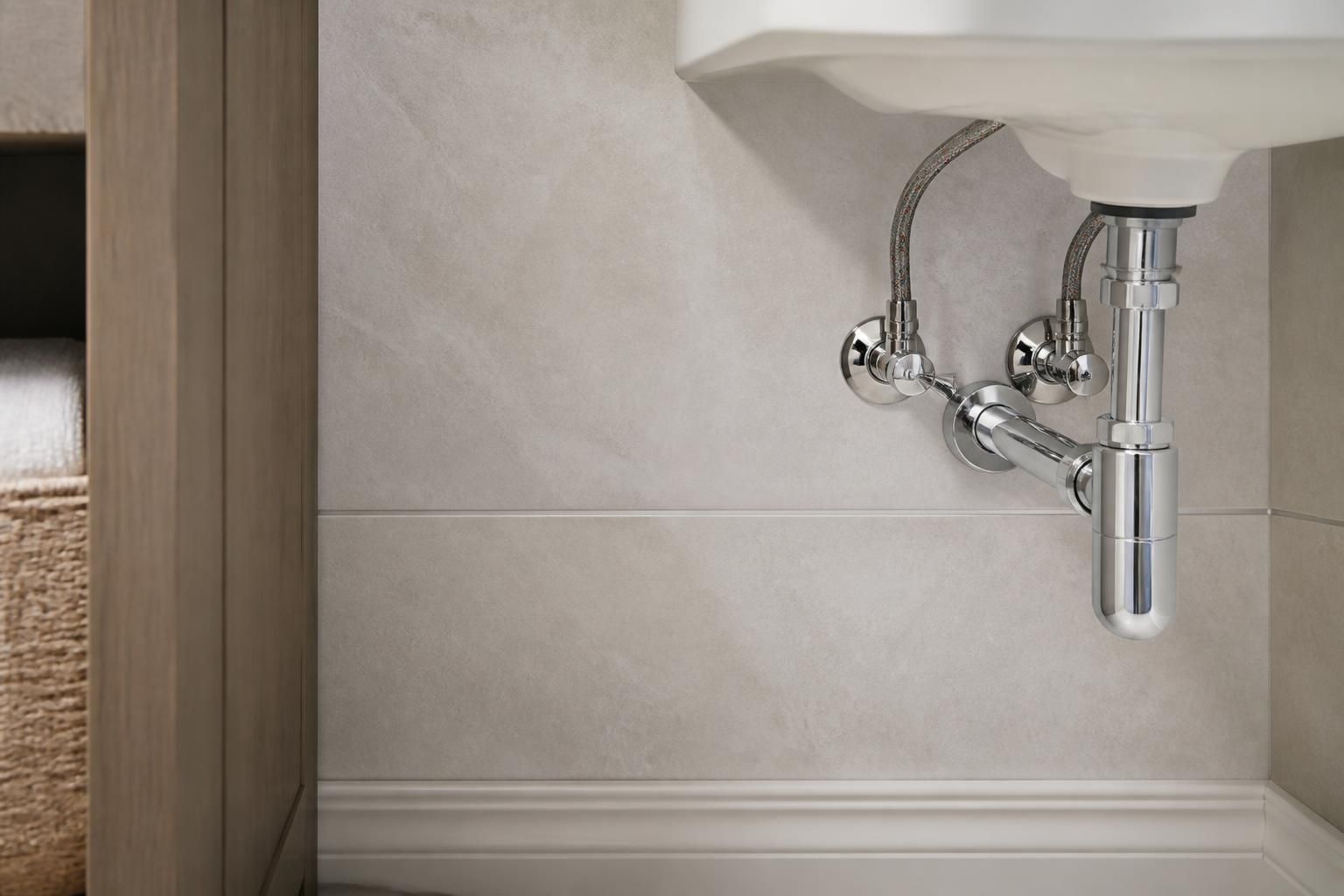
A dripping faucet, a toilet base issue, or a leaking under-sink connection may call for a focused repair at the fixture or nearby supply line.
If the leak comes from a pipe section or joint, we identify the affected area and help you understand the repair scope before work begins.
Homeowners often want to know what the process feels like. The visit is meant to be direct and practical, with attention on the signs you have already noticed and the areas most likely to be responsible.
You do not need to have the answer before calling. If all you have is a water stain or a hunch that something is off, that is enough to start the process.
One small stain can still point to a leak that is spreading behind the surface. Even limited signs are worth checking if they are new or keep returning.
Yes. Moisture trapped behind drywall, under flooring, or inside cabinetry can create odors before a visible puddle appears.
A rising bill can be one of the clearest hints that water is escaping somewhere you cannot see. It helps confirm that the problem is not just cosmetic.
That is a smart place to start because supply lines, drain connections, and shutoffs are often easy to inspect. Still, a leak can be elsewhere even if a sink area looks dry.
Yes. Wall cavities can conceal dripping water for quite a while, which is why stains, soft drywall, or odd sounds should be taken seriously.
Make note of where you noticed the problem, when it started, and whether it changes when fixtures are used. That information helps narrow the search faster.
If you suspect a hidden leak at your Austin, TX home, get it checked before the damage spreads. Copperline Plumbing & Drain can help identify the source, explain the findings, and move the repair forward with a clear plan.
Reach out by phone at +15125550101 or email hello@copperline.example to schedule leak detection service.

Get Started
Tell us what is happening at your property, and we will help you determine the right service for the issue, whether it is a stubborn clog, a leak, a damaged line, or a fixture that is not working properly.